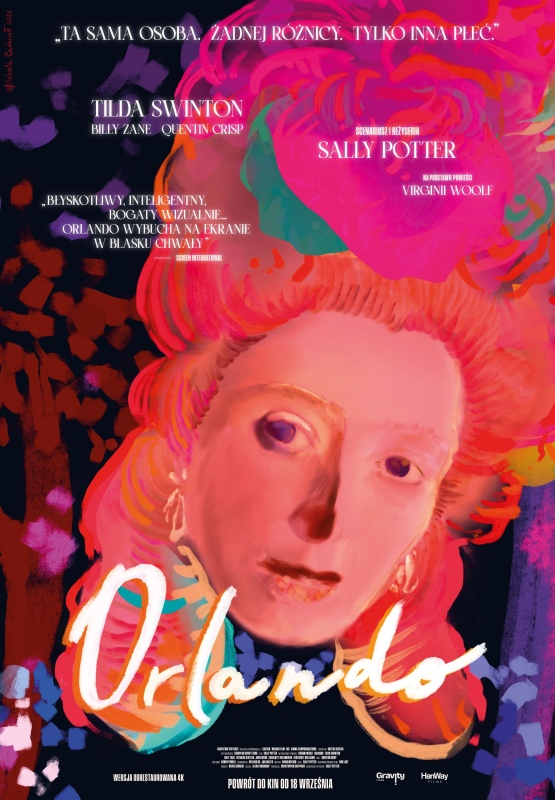
Orlando
-
An arthouse, avant-garde, and timeless tale of the search for identity and a journey through the ages—starring Academy Award winner Tilda Swinton—returns to the big screen.
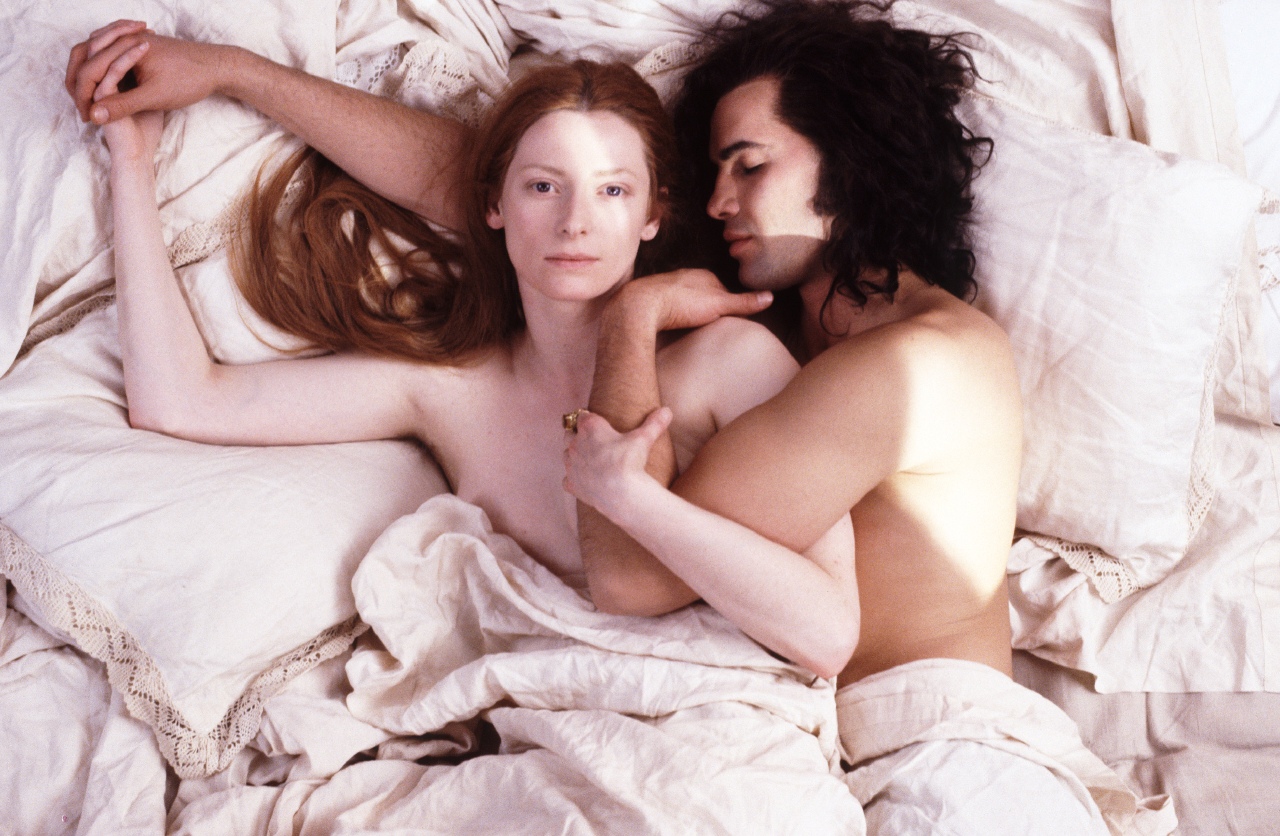
Orlando, directed by Sally Potter, is an adaptation of Virginia Woolf’s 1928 novel and a love letter to freedom and defiance. Showered with awards, the film is visually and formally captivating, while Tilda Swinton skillfully bridges the distance with the audience by breaking the "fourth wall" and delivering direct commentary to the camera.
Orlando, an aristocrat from the court of Elizabeth I blessed with eternal youth, travels through four centuries of British history, changing not only costumes along the way, but gender as well. Swinton is joined on screen by Billy Zane, while the role of Queen Elizabeth I is played by the late British actor, writer, and LGBT icon Quentin Crisp, who was 84 at the time. Orlando is full of surprises, ambiguities, and unconventional choices. It is no wonder the film earned acclaim at the Venice Film Festival, won a European Film Award and a BAFTA, and received Academy Award nominations for Best Art Direction and Best Costume Design. The visual imagination of four-time Oscar winner Sandy Powell deserves immense praise, as the costumes not only anchor the story in time but also complement the characters' personalities—at times historically accurate, at others playfully camp.
Irony and detachment blend with the poetic and enduring relevance of the message left by Virginia Woolf. The film is a multi-layered poem about being oneself—devoid of sentimentality or exaltation, yet filled with nonchalance and humor. The story itself "rhymes" with the androgynous beauty and real-life path of the brilliant Tilda Swinton. Orlando continues to resonate decades after its premiere, much like its timeless literary source material, Swinton's own persona, and the plot itself—a story that feels like a prophecy destined for longevity, much like the titular Orlando... whether wearing a corset or a suit.
-
Language
-
English
-
Polish subtitles
-
-
-
Tickets
-
Mondays:
-
regular — 16 zł
-
reduced — 14 zł
-
with visitor card — 12 zł
-
-
Tuesday - Friday:
-
regular — 20 zł
-
reduced— 18 zł
-
with visitor card — 14 zł
-
-
Sathurday & Sunday:
-
regular— 22 zł
-
reduced — 20 zł
-
with visitor card — 15 zł
-
-
-
-